
Ningbo Zhenhua rescue line-throwing appliance: can explode and put the user's life at risk
The notice says a malfunction causes the appliance to explode, which could put the user in a life-threatening situation, and that it does not meet the requirements of the Marine Equipment Directive.
What to do
Measure taken: The manufacturer is requested to prove that the defect is limited to the specified batch. (economic operator: Manufacturer), in force from Unknown.
Note from Recalled Today: If you own this product, stop using it and contact the seller.
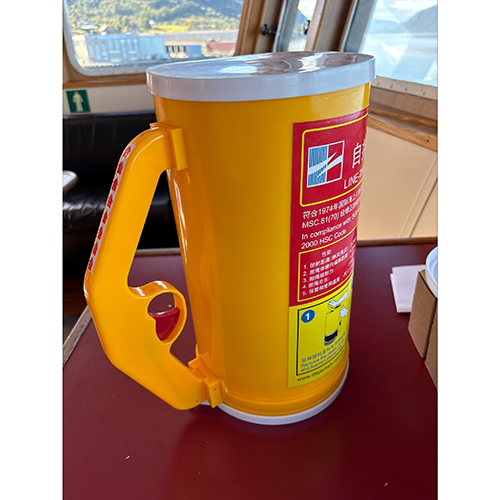
Image: Safety Gate (European Commission)
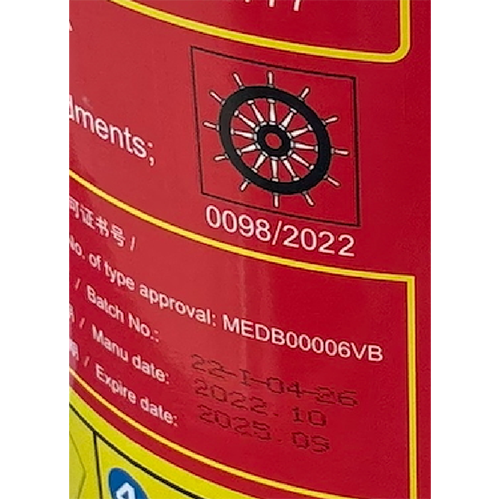
Image: Safety Gate (European Commission)
Notice details
- Product
- Rescue line-throwing appliance
- Company
- Ningbo Zhenhua
- Hazard
- Malfunction causes the product to explode and could put the user in a life-threatening situation. The product does not comply with the requirements of the Marine Equipment Directive.
- Class or risk level
- Serious risk
- Notifying country
- Norway
- Countries that reacted
- None listed
- Identifiers
- Alert number: SR/03940/25
- Model or type: JH7-230-91
- Measure in force since
- Unknown
- Published on Safety Gate
- November 6, 2025
- Listed on Recalled Today
- November 6, 2025
The headline, summary and steps above are written in plain English from the official notice below. Identifiers are copied exactly as the agency published them. Always check the official notice before you act.
Official notice
The notice's own wording from Safety Gate.
Ningbo Zhenhua Rescue line-throwing appliance
- Product
- Product: Rescue line-throwing appliance Brand: Ningbo Zhenhua Description: Cylindrical rescue line-throwing appliance, intended for use in emergency situations, with height of 35cm and diameter of 18cm, with handle with hand grip and trigger mechanism. Product sold online, in particular via www.zhen-hua.com.
- Risk
- Risk type: Injuries Malfunction causes the product to explode and could put the user in a life-threatening situation. The product does not comply with the requirements of the Marine Equipment Directive.
- Measures taken
- The manufacturer is requested to prove that the defect is limited to the specified batch. (economic operator: Manufacturer), in force from Unknown
- Country of origin
- People's Republic of China
Source: European Commission, Safety Gate (CC BY 4.0); summary edited by Recalled Today CC BY 4.0 · Safety Gate
Recalled Today is independent and is not an official government page.
Related recalls
spectrum LED / Wojnarowscy recalls Girlanda lighting chain over risk of electric shock
The live parts of the lamp cap can be touched when the lamp is only partly screwed into the lampholder, so a user could get an electric shock, and the product does not meet the Low Voltage Directive and EN IEC 60598.
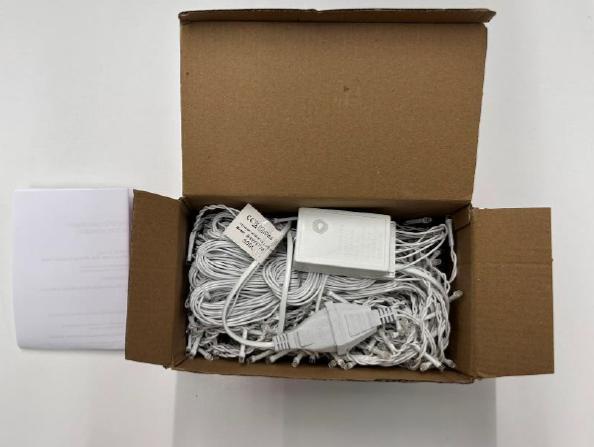
Lighting chain HF PD-04 ASW1723 ICICLE LAMP 500L: electric shock and fire risk, sales banned
The LED lighting chain has weak insulation, easily reached live wires, no protection against moisture and thin conductors that can overheat, which can cause a short circuit, fire or electric shock.
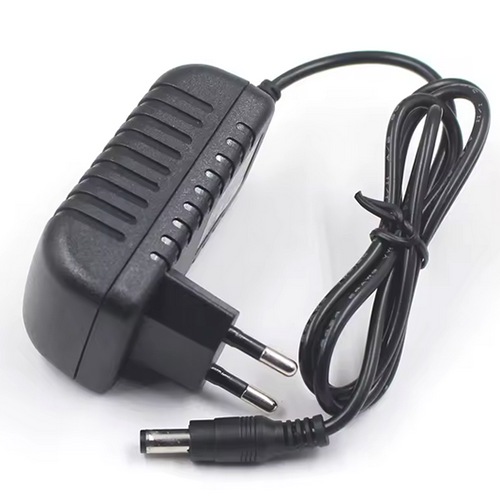
Laimaieco recalls charger over risk of electric shock from too little insulation
The insulation distance on the circuit board inside the charger is too small, so a user could touch live parts and get an electric shock.
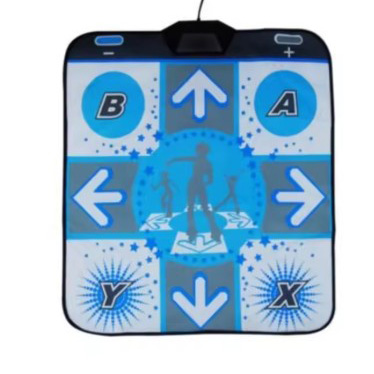
X-tream Dance Pad Platinum dance mat: excessive lead, cadmium, DEHP and SCCPs
The solders have an excessive concentration of lead and cadmium and the black insulation cord has an excessive concentration of DEHP and SCCPs, posing risks to human health and the environment.
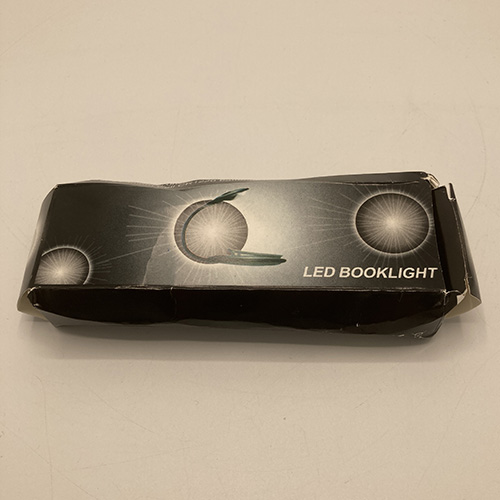
LED booklight (Portabel läslampa): plastic has too much of the chemical DEHP
The plastic in this bendable reading lamp to attach to a book has too much bis(2-ethylhexyl) phthalate (DEHP), up to 24.8% by weight, which poses a risk to human health and the environment.
AliExpress recalls AC DC ADAPTOR power adaptor over risk of electric shock
The insulation between the circuits does not withstand the voltage, the spacing between circuits on the printed circuit board is too small and the transformer is insufficiently insulated, so a user could reach live parts and get an electric shock.