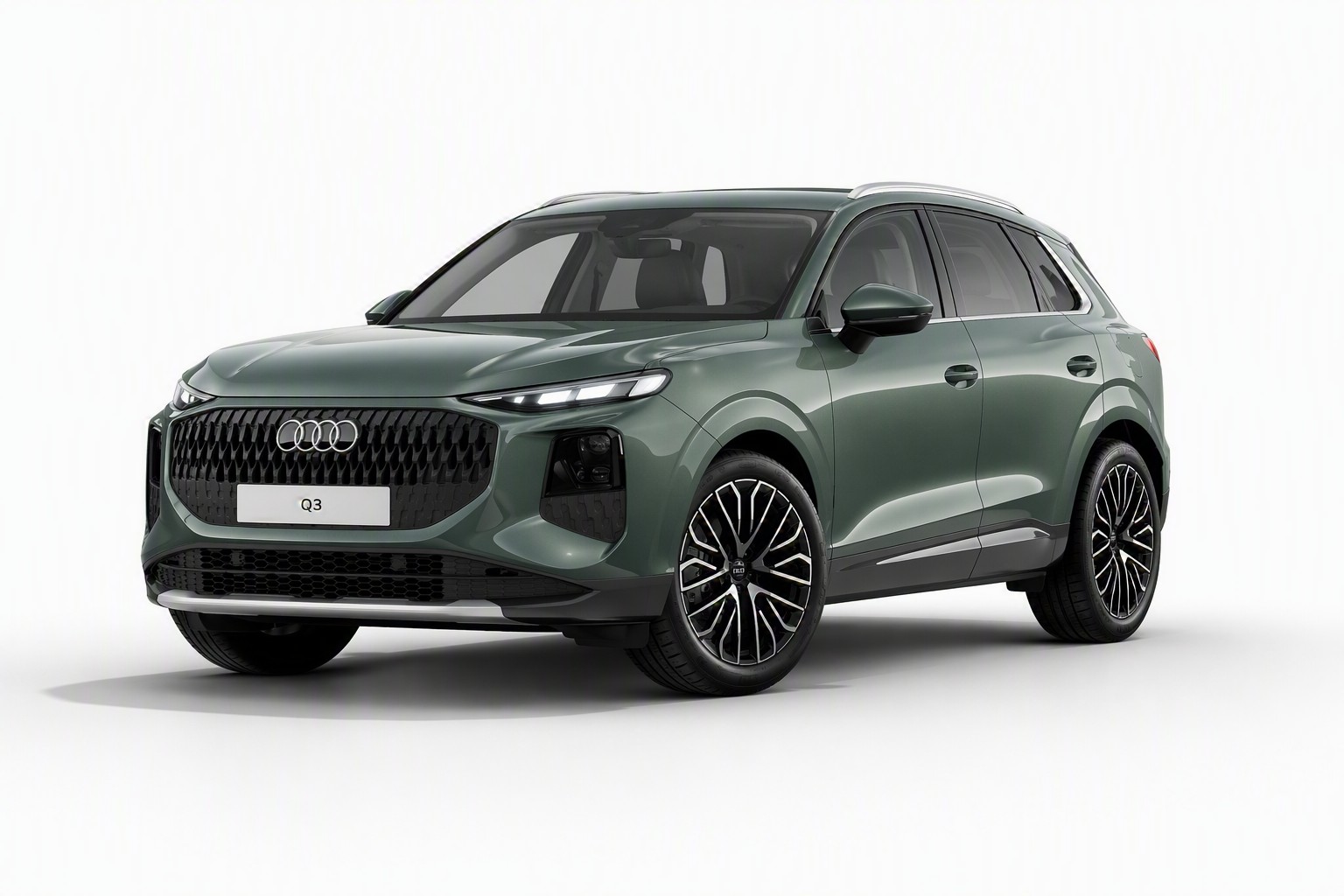

Mercedes-Benz recalls CLA passenger cars over seat belt buckles that may not meet specifications
The driver and passenger seat belt buckles may not meet the specifications, so the seat belt may not give enough protection in a frontal impact, which increases the risk of injury.
What to do
Measure taken: Recall of the product from end users (economic operator: Manufacturer), in force from Unknown. Company recall page: https://www.mercedes-benz.de/passengercars/services/recall.html
Note from Recalled Today: If you own this product, stop using it and contact the seller.
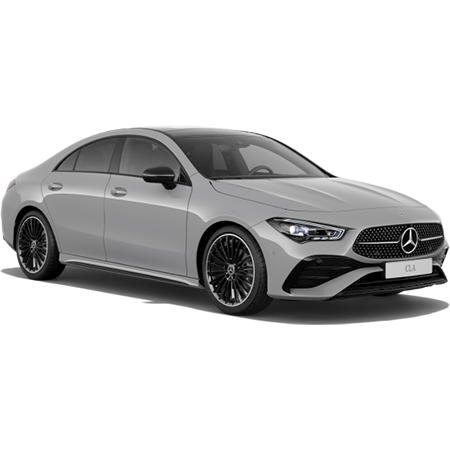
Image: Safety Gate (European Commission)
Recall details
- Product
- Passenger car
- Company
- Mercedes-Benz
- Hazard
- The driver/passenger seat belt buckles may not meet the specifications. As a result, the seat belt may not provide sufficient protection in the event of a frontal impact, increasing the risk of injury. The product does not comply with the Regulation on the approval and market surveillance of motor vehicles and their trailers, and of systems, components and separate technical units intended for such vehicles.
- Class or risk level
- Serious risk
- Notifying country
- Germany
- Countries that reacted
- Bulgaria, Denmark, Finland, France, Croatia, Hungary, Luxembourg, Norway, Portugal, Sweden, Slovenia, Slovakia
- Identifiers
- Alert number: SR/04146/25
- Model or type: e1*2018/858*00500*00-*01 (MMCLAE)
- Production dates: 16.07.2024-22.08.2025
- Company recall code: 9190319
- Measure in force since
- Unknown
- Published on Safety Gate
- November 20, 2025
- Listed on Recalled Today
- November 20, 2025
The headline, summary and steps above are written in plain English from the official notice below. Identifiers are copied exactly as the agency published them. Always check the official notice before you act.
Official notice
The notice's own wording from Safety Gate.
Mercedes-Benz Passenger car (CLA)
- Product
- Product: Passenger car Name: CLA Brand: Mercedes-Benz Description: Passenger car
- Risk
- Risk type: Injuries The driver/passenger seat belt buckles may not meet the specifications. As a result, the seat belt may not provide sufficient protection in the event of a frontal impact, increasing the risk of injury. The product does not comply with the Regulation on the approval and market surveillance of motor vehicles and their trailers, and of systems, components and separate technical units intended for such vehicles.
- Measures taken
- Recall of the product from end users (economic operator: Manufacturer), in force from Unknown
- Country of origin
- Germany
- Company recall page
- https://www.mercedes-benz.de/passengercars/services/recall.html
Source: European Commission, Safety Gate (CC BY 4.0); summary edited by Recalled Today CC BY 4.0 · Safety Gate
Recalled Today is independent and is not an official government page.
Related recalls
Mercedes-Benz recalls CLA-Class passenger cars over weak screw attachments on front seats and belt buckles
The screw attachments of the front seats and/or belt buckles are insufficient, which could impair their restraining effect and increase the risk of accident and injury.
Mercedes-Benz recalls CLA-Klasse passenger cars over badly fitted front seat belt
The end mount of the left front seat belt is not correctly installed, so in a sudden stop or accident the belt could come loose from its anchor and not hold the person, raising the risk of injury.
Mercedes-Benz recalls A-Class, B-Class and CLA-Class cars over front seat belt washer that may not hold
A washer for the front safety belts may not match specifications and may not withstand the loads, so in an accident the belt's restraining effect could be incomplete, raising the risk of injuries.
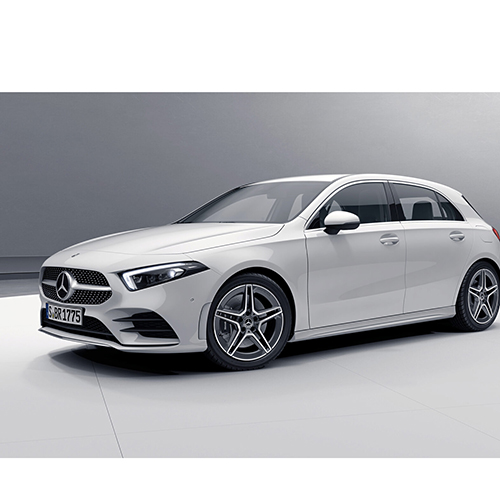
Audi recalls A6, A7, Q7, Q8 cars over seat belt buckle and anchorage defect
The seat belt buckle and anchorage have a defect that may stop the belt holding people back well enough, raising the risk of injuries, in particular to passengers in the front seats.
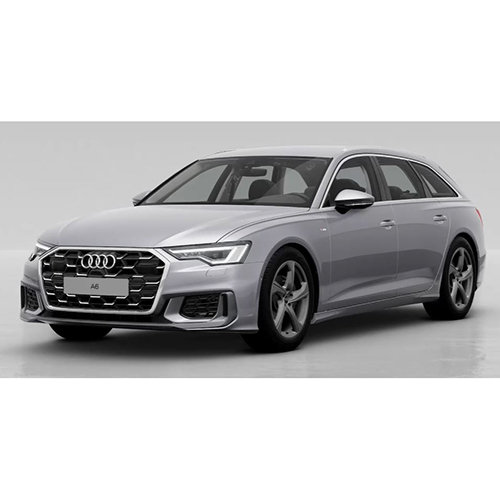
Audi recalls Q3 passenger cars over seat belts that may not be properly secured
Because of irregularities in manufacturing, the seat belts may not be properly secured to the vehicle body, so they cannot be relied upon to restrain people and the risk of injury goes up.